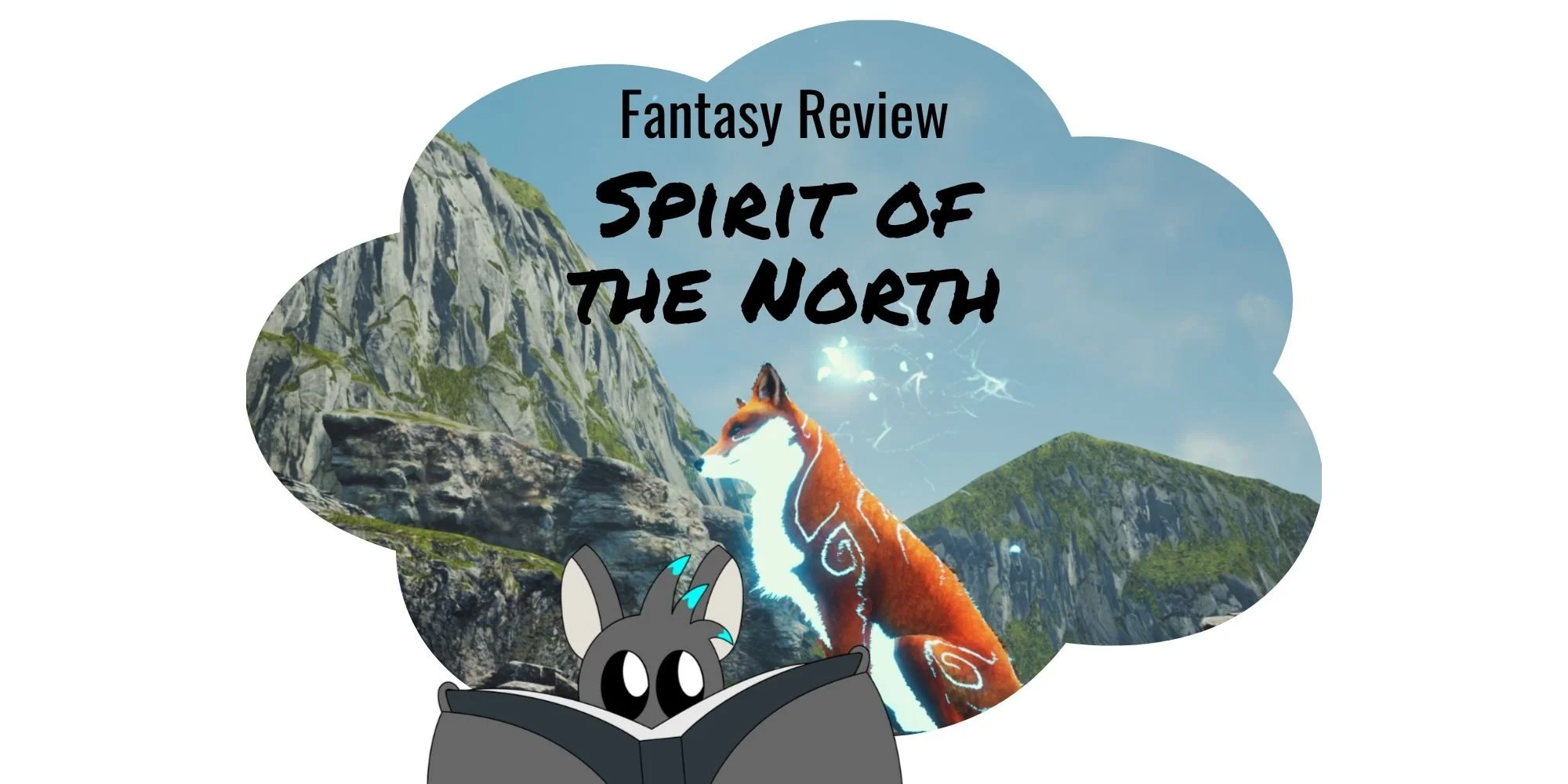
Video Game Review: Spirit of the North
By Jason Koop
Does story have a place in video games? If so, what type of stories can/should be told? How does the type of game affect the story? And is there room for innovation and creativity in the wide world of video games? I didn’t think so, until playing a game called Spirit of the North.
To be clear, I didn’t start playing video games until I was about 8. And when I did, my first experiences were almost exclusively made up of kart racers like Diddy Kong Racing, and CTR: Crash Team Racing. Several years later, my horizons were expanded to include games like platformers like Crash Bandicoot 2: Cortex Strikes Back and adventure games like Spyro: Year of the Dragon. Spoiler alert, neither of those games are known for deep story-telling. Any stories tend to consist of straight forward, here’s the level’s goal, accomplish it to move closer to the game’s conclusion.
Now, I am aware that the video game market has grown exponentially since I was a kid/teenager. More and more games are being made by smaller, independent companies, which has led to a great diversification of the type of games being made available and the stories being told. But there’s something to be said for personally experiencing a game. And Spirit of the North is a title that has had a profound influence on me.
Developed by Infuse Studio, Spirit of the North is a third-person adventure game where you control a fox that is wandering a land where you appear to be the lone living being left. Early on, you collapse, seemingly dead, until you are revived and given spirit powers, which enable you to both traverse as well as combat this sickness that seems to have ravaged the land.
Set in what appears to be a Northern European country – maybe Finland or Norway – you traverse from snowy mountains, grassy valleys and watery lagoons, all the while finding ruins of a lost civilization, wherein lies a story of great loss and tragedy as you aim to ultimately bring about the land’s healing. Throughout the levels, you find a blue flower that grants you spirit abilities throughout the game – like being able to air-dash, send forward a spirit projection, and a spirit blast – in contrast with a red parasitic growth that seems to be responsible for the desolation that surrounds you.
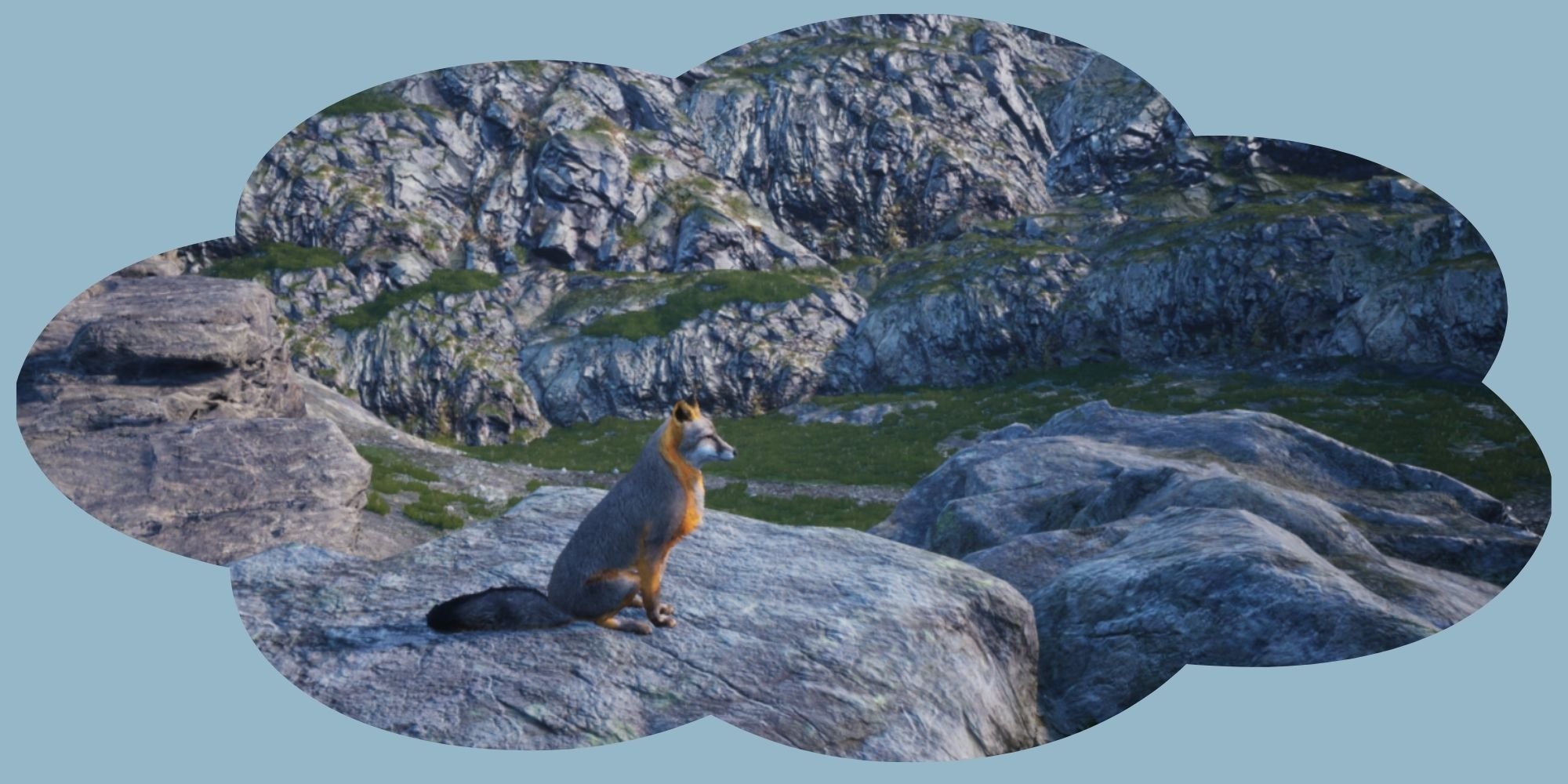
This game is deceptively simple. You control a fox, and you can run, jump, bark, and wag your tail – yes, those are the controls, and barking never ceases to be glorious – as you roam across scenery that is nothing short of gorgeous to look at. The levels (called chapters) are pretty straight forward – for the most part – and reaching the end simply takes you into the next chapter.
The story is completely non-verbal, though. There is absolutely no dialogue, nothing is written down for you to read. The story is entirely told through visual art that you can find scattered throughout the levels. Really, it is completely possible to finish the game without absorbing anything of the story and taking away that the game has some nice settings and a fantastic soundtrack. But if you take the time, there is a poignant story to be found here, and I think the extra effort makes the game that much more worth it. And it makes the ending – which is in of itself fantastic – all the more meaningful.
One takeaway I have from this game is that while I have always been slow to pick up on story cues and rhythms, there is something more rewarding, more enriching, when a story doesn’t just hand its audience everything. Looking closer, actively paying attention to details, and just generally putting in the effort might be more taxing on me personally, but I can’t say that I don’t benefit from it. If nothing else, being in the habit of not expecting things to be handed to me or quitting when I don’t readily understand things sounds like good life skills to hone and keep sharp.
I won’t spoil the game here, you will need to stay tuned to the Book-Bat podcast, where Karlissa and I will be sure to discuss this further.