Book-Bat

Book-Bat

Exploring the world of fantasy from a Christian perspective!

  • Home
  • About Us
  • Podcast
  • books
    • all books
    • Nonfiction
    • For Kids Ages 9-12
    • Xenofiction
  • Blog
  • More
    • Christian Perspective
    • Book Reviews
    • Connect
    • Events

Behind-the-Scenes: Why I Included L'Engle in To Narnia and Beyond

February 04, 2026 by Karlissa Koop in Sneak Peaks, Reading and Writing

By Karlissa J


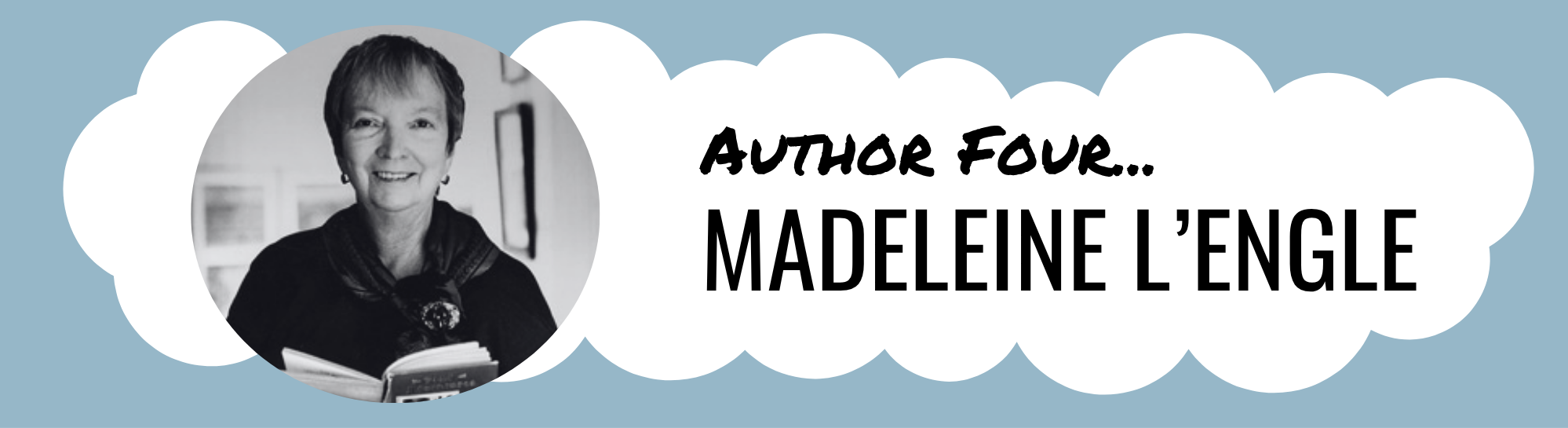
At one point in my writing of To Narnia and Beyond, I was planning not to include Madeleine L’Engle.

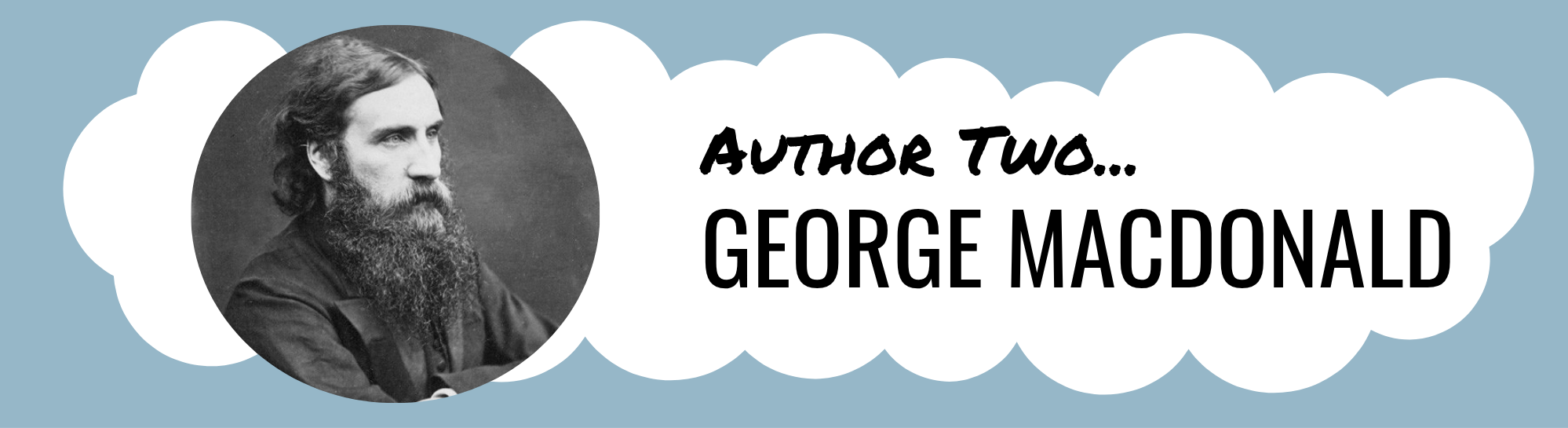
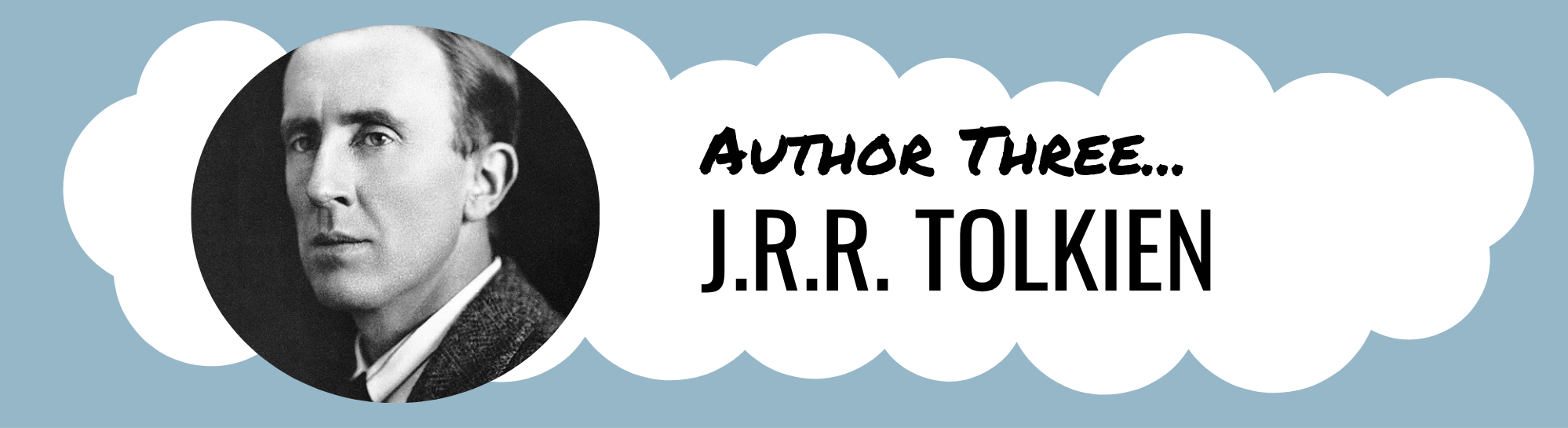
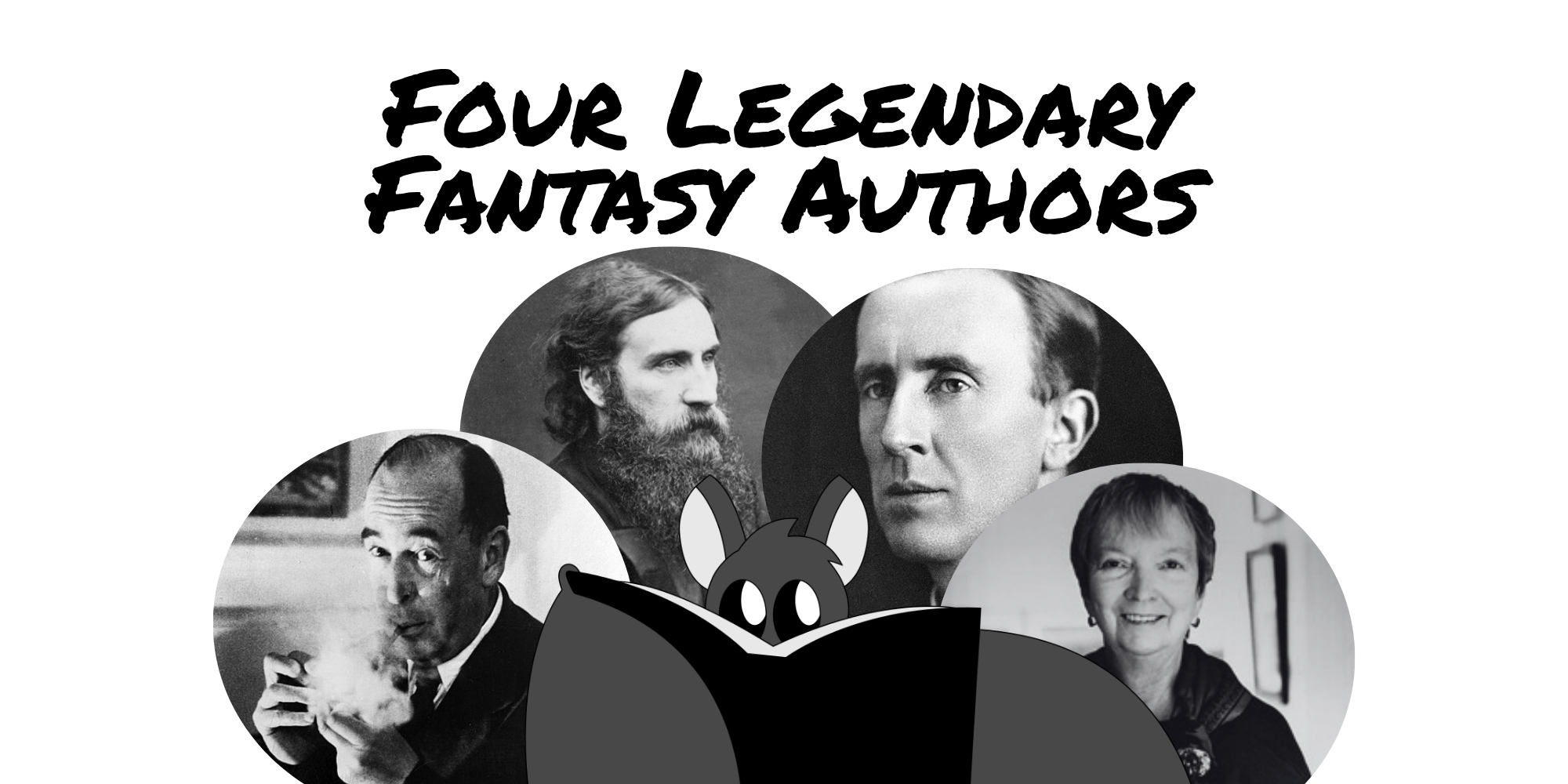
I was still in the process of narrowing down which authors to focus on in my exploration of classic Christian fantasy. I’d decided that only deceased authors would count, as I wanted there to have been enough time to see how their legacy endured beyond them. Three authors were very obviously getting in: everyone knows of J.R.R. Tolkien and C.S. Lewis as pillars of fantasy; and George MacDonald had such a strong impact on Lewis (and on me) that there was no denying his inclusion as well.

But what about Madeleine L’Engle?

She is more recent than the other three: Lewis was the youngest of those men, and she was born on his 20th birthday. Her death occurred in 2007, not quite two decades ago. Her Time Quartet novels are odd, falling somewhere between fantasy and sci-fi. And I found that many readers I spoke to had never heard of her.

So why did I end up featuring her in my book To Narnia and Beyond?

For one, she didn’t stop coming up. It was important to me that each of the authors I included inspired Christians beyond their own generation. What I discovered in L’Engle was that she did just that. One of the people she inspired was painter Makoto Fujimura, whose books on faith and art I have greatly enjoyed. I realised that, even if fewer people have heard of her than Lewis or Tolkien, she has left a creative legacy that continues to inspire.

Second, I couldn’t deny anymore the way her writings had changed me.

Initially, I thought her books were strange. But I found myself contemplating life and my thoughts came to a story she’d told. What does it mean to love your enemy? What does it look like for each creature to submit to being what God called them to be? My children have asked me about baby unicorns, and I’m sure they come from eggs, because L’Engle’s A Swiftly Tilting Planet told me so.

Since I’ve written about her in my book, I have encountered more readers who know of Madeleine L’Engle and have enjoyed her writing. I expect that as I continue to talk to people about classic fantasy novels, I’ll continue to meet those who have been inspired by her.

 
February 04, 2026 /Karlissa Koop
Madeleine L'Engle, To Narnia and Beyond, classics, classic authors, Christian fantasy, faith, behind the scenes, hatching unicorns
Sneak Peaks, Reading and Writing
Comment

The Fantasy Author's Secret Tool

April 02, 2025 by Karlissa Koop in Reading and Writing

By Jason Koop

What are the tools any writer – particularly one of fantasy – requires?  Talent, some are more apt and able than others; communication skills, nothing kills a story’s potential than it being communicated poorly; grit and determination to see a project through to completion; and curiosity.  And not just any curiosity, but a particularly nerdy type.

Now, we will explore that last one, but first, some clarification.  As someone who has dabbled in writing fantasy almost since I could write, I have come to realize in the past few years that I have built up some assumptions that I now realize are a big “wrongzo” to quote my favourite YouTuber Arlo.  Primarily, I assumed that the best thing for a fantasy writer to do to help inspire them was to intake fantasy.  It makes sense, right?  Fantasy goes in, fantasy goes out.

One thing about being married to someone who not only writes fantasy, but has gotten multiple books published (7 as of this blog posting), is that I have had my eyes opened to the realities of getting a quality fantasy story written, and the tools necessary to accomplish this.

Yes, she has the talent, grit and drive, and has come a long way in her communication skills.  But more notably for me, most of her published novels have come from a nerdiness that predated the published work.

While we have stated on the podcast that Kenneth Oppel’s novel Silverwing did inspire Karlissa’s Kingdom of Bats, it was her love for – and knowledge of – bats that was the real driving force.  It’s evident in that there are multiple species of bat represented, and they aren’t readily defined as “good bat species” and “bad bat species”.

Dwelling in Darkness is heavily inspired by both animals of the night, the Popol Vuh (a Mayan religious text), and Malagasy mythology.  There are multiple reference books around the house about the age of sailing and weaponry of that time frame that Karlissa delved into well before writing the Tales of the Diversity trilogy.  Davy Jones’ Aquarium was primarily inspired by her interest and knowledge of creatures that live in the dark depths of our oceans… and aquariums, of course.

There are examples of this in other fantasy writers.  Madeline L’Engle had a love for science, which one can definitely pick up in her Wrinkle in Time series.  J.R.R. Tolkien had a deep affinity for Norse mythology.  C.S. Lewis was a Medieval and Renaissance scholar.

Timothy Zahn, whom has written some of my favourite Star Wars novels, has a doctorate in physics, which definitely is evident in things like space battles; he can elevate these conflicts beyond a simple shoot and explode scene.

One advantage of being at the very least curious or knowledgeable in any area is that the writer can then use this to provide greater detail and “colour” for the reader’s imagination.  If Karlissa’s knowledge of creatures that live in the dark ocean depths were contained in a Google search, then Davy Jones’ life in the Abyss would undoubtedly come across as a lot more boring, with not much to differentiate it from our own.

Fantasy is a wonderfully malleable genre.  And some of the best examples of fantasy come from taking a dash or two from this wonderful world God created and letting that influence what happens in our fantasies.

As much as writers of fantasy are encouraged to let their imagination go wild with the possibilities, I think we should also praise their own unique flairs that they bring to the table.  If a writer’s work is clearly painted by their love of animals or the way physics would interact with something fictional in space, I think it all adds depth to the fantasy experience.

April 02, 2025 /Karlissa Koop
writing, tips, behind the scenes
Reading and Writing
Comment

Powered by Squarespace