Book-Bat

Book-Bat

Exploring the world of fantasy from a Christian perspective!

  • Home
  • About Us
  • Podcast
  • books
    • all books
    • Nonfiction
    • For Kids Ages 9-12
    • Xenofiction
  • Blog
  • More
    • Christian Perspective
    • Book Reviews
    • Connect
    • Events

Behind-the-Scenes: Why I Included L'Engle in To Narnia and Beyond

February 04, 2026 by Karlissa Koop in Sneak Peaks, Reading and Writing

By Karlissa J


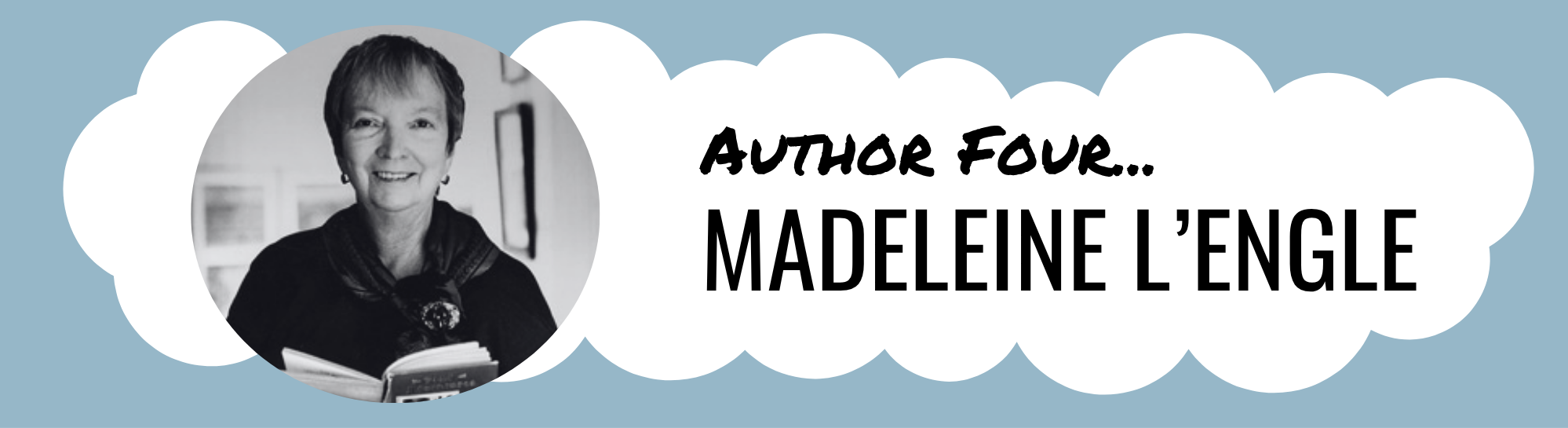
At one point in my writing of To Narnia and Beyond, I was planning not to include Madeleine L’Engle.

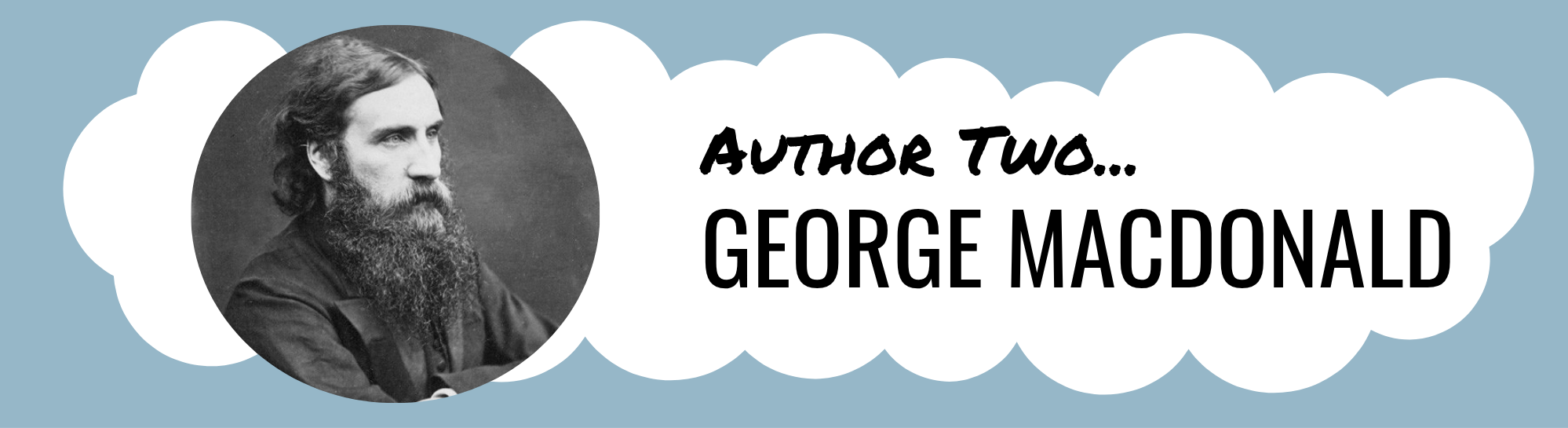
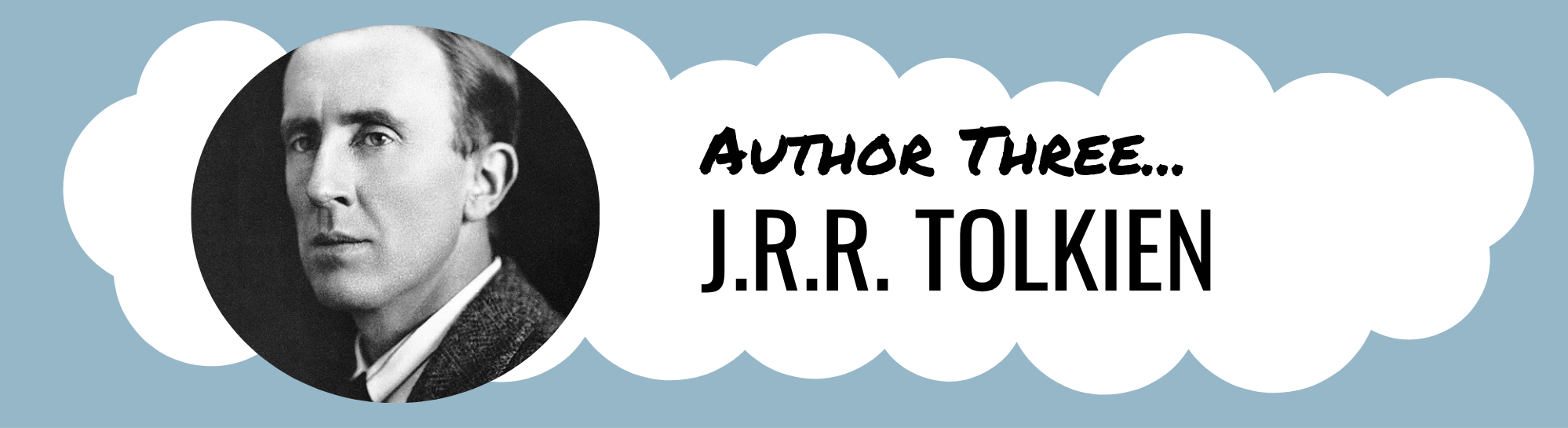
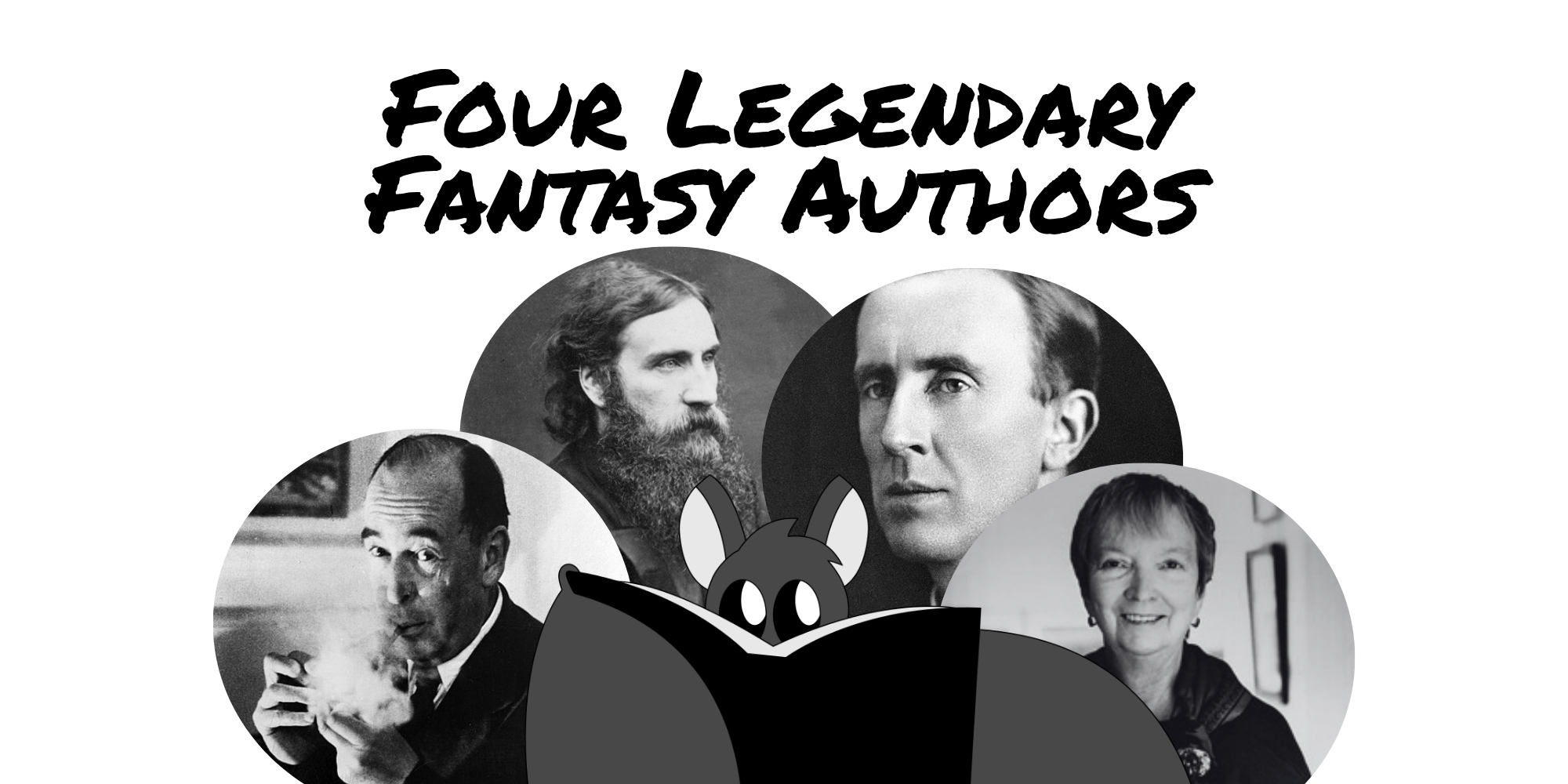
I was still in the process of narrowing down which authors to focus on in my exploration of classic Christian fantasy. I’d decided that only deceased authors would count, as I wanted there to have been enough time to see how their legacy endured beyond them. Three authors were very obviously getting in: everyone knows of J.R.R. Tolkien and C.S. Lewis as pillars of fantasy; and George MacDonald had such a strong impact on Lewis (and on me) that there was no denying his inclusion as well.

But what about Madeleine L’Engle?

She is more recent than the other three: Lewis was the youngest of those men, and she was born on his 20th birthday. Her death occurred in 2007, not quite two decades ago. Her Time Quartet novels are odd, falling somewhere between fantasy and sci-fi. And I found that many readers I spoke to had never heard of her.

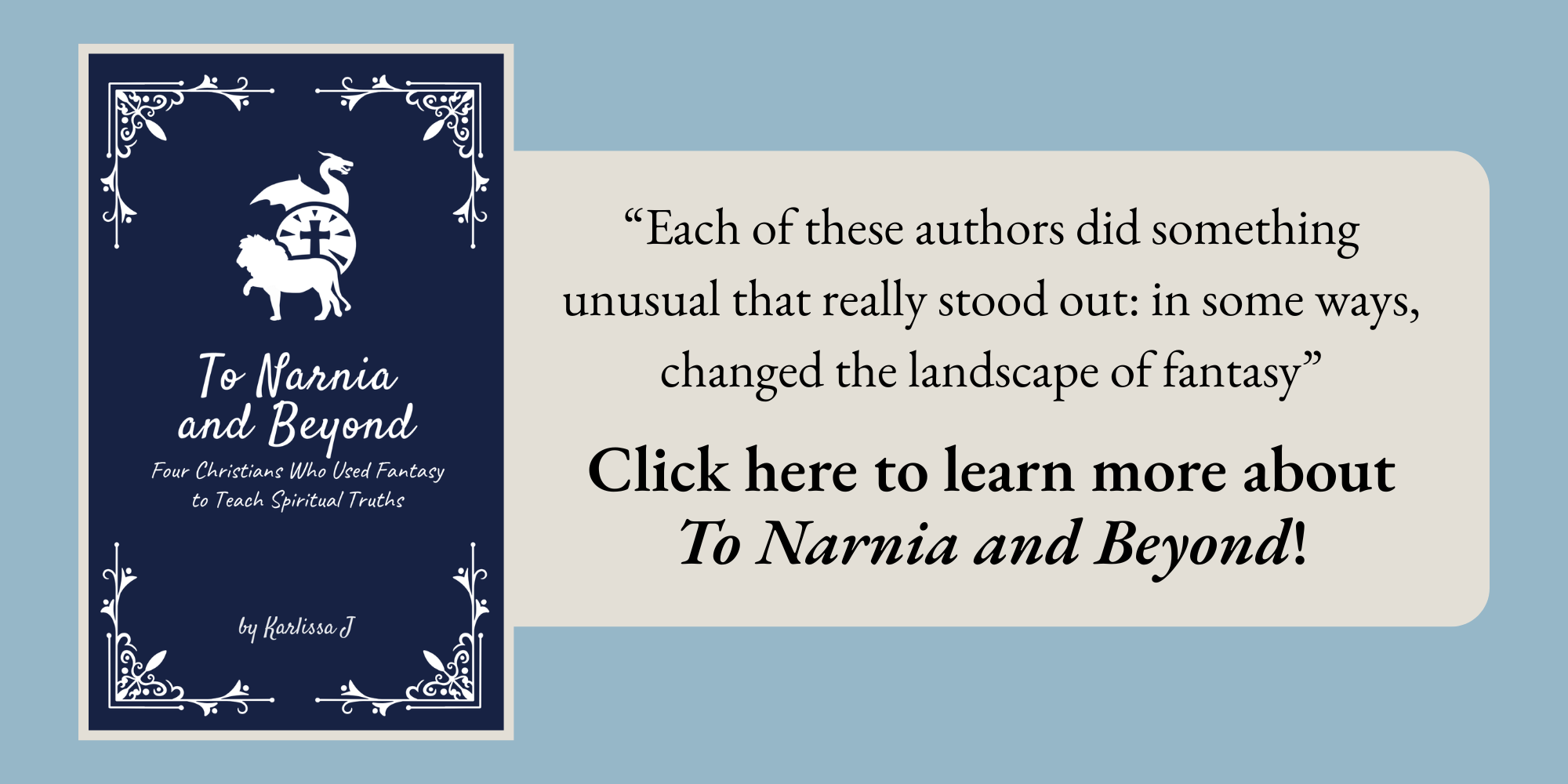
So why did I end up featuring her in my book To Narnia and Beyond?

For one, she didn’t stop coming up. It was important to me that each of the authors I included inspired Christians beyond their own generation. What I discovered in L’Engle was that she did just that. One of the people she inspired was painter Makoto Fujimura, whose books on faith and art I have greatly enjoyed. I realised that, even if fewer people have heard of her than Lewis or Tolkien, she has left a creative legacy that continues to inspire.

Second, I couldn’t deny anymore the way her writings had changed me.

Initially, I thought her books were strange. But I found myself contemplating life and my thoughts came to a story she’d told. What does it mean to love your enemy? What does it look like for each creature to submit to being what God called them to be? My children have asked me about baby unicorns, and I’m sure they come from eggs, because L’Engle’s A Swiftly Tilting Planet told me so.

Since I’ve written about her in my book, I have encountered more readers who know of Madeleine L’Engle and have enjoyed her writing. I expect that as I continue to talk to people about classic fantasy novels, I’ll continue to meet those who have been inspired by her.

 
February 04, 2026 /Karlissa Koop
Madeleine L'Engle, To Narnia and Beyond, classics, classic authors, Christian fantasy, faith, behind the scenes, hatching unicorns
Sneak Peaks, Reading and Writing
Comment

Four Approaches to Writing Christian Fantasy

June 02, 2025 by Karlissa Koop in Reading and Writing

By Karlissa J

“If a writer’s aim be logical conviction, he must spare no logical pains… where his object is to move by suggestion, to cause to imagine… If there be music in my reader, I would gladly wake it.” George MacDonald, “The Fantastic Imagination”


Many people debate over whether The Lord of the Rings should be called a “Christian” book series. Tolkien himself once said his books were religious, but different people have different standards for applying the label “Christian” to a work of art; and The Lord of the Rings is subtle in its use of spiritual themes.

For some readers, the subtlety leaves them more open to learning from the books, and the lessons go deeper. Other readers, however, walk away unsure whether they learned anything, and completely unaware of Tolkien’s Christian faith.

Contrast that with the style of George MacDonald. MacDonald was a preacher, and when he told stories he didn’t stop preaching. His fantasy books and fairytales were also deeply symbolic, so in addition to surface-level teachings there are layers to discover upon rereading.

For some (like Lewis) this makes MacDonald’s fantasies rich, exciting, and memorable. Tolkien, however, came to resent them as being too preachy; and some modern readers will find MacDonald’s florid narrative style and layered symbolism hard to make sense of.

L'Engle’s Time Quartet books are an odd mix of openly Christian and bizarrely unconventional. Some readers are deeply moved and drawn to Jesus by these stories, while other readers come away critiquing her beliefs as unorthodox.

And then there’s Lewis. His Cosmic Trilogy alone is all over the place, from only subtly Christian (Out of the Silent Planet) to deeply theological (Perelandra) to focused on critiquing a particular philosophy (That Hideous Strength). His preachiness varies accordingly.

Which is better: to openly declare a Christian message? To subtly explore a Christian worldview in a tale of good versus evil? To fill a story with much teaching and instruction?

I believe all have their place, because there are a myriad of readers in different stages of their walk with God, coming from a variety of backgrounds, ages, reading skills, and learning styles.

In response to a question about how to include Christian messages in a fantasy book, current fantasy author Wayne Thomas Batson had this to say:

“Your allegory will always be too obvious for some and not enough for others. The big thing is, always respect the story itself. If the message within the allegory is precious and valuable, but the story built around it is superficial, it will fail. Tell a fantastic and meaningful story; respect the genre and the reader, and any allegory within will be that much more powerful.” {See Note}

Each of these four classic authors – George MacDonald, J.R.R. Tolkien, C.S. Lewis, and Madeleine L’Engle – had a different way of telling a fantasy story. I encourage you to try reading a book from all of them! Find out which author or authors you enjoy most and learn from best.


NOTE: quote from GoodReads author page for Wayne Thomas Batson: https://www.goodreads.com/author/33508.Wayne_Thomas_Batson/questions (accessed August 27, 2024)

June 02, 2025 /Karlissa Koop
Christian fantasy, classics, classic authors, CS Lewis, JRR Tolkien, George MacDonald, Madeleine L'Engle, writing, tips
Reading and Writing
Comment

Powered by Squarespace