Book-Bat

Book-Bat

Exploring the world of fantasy from a Christian perspective!

  • Home
  • About Us
  • books
    • all books
    • Nonfiction
    • Davy Jones' Aquarium
  • Podcast
  • Blog
  • More
    • Library and Search
    • Events
    • Christian Perspective
    • Connect

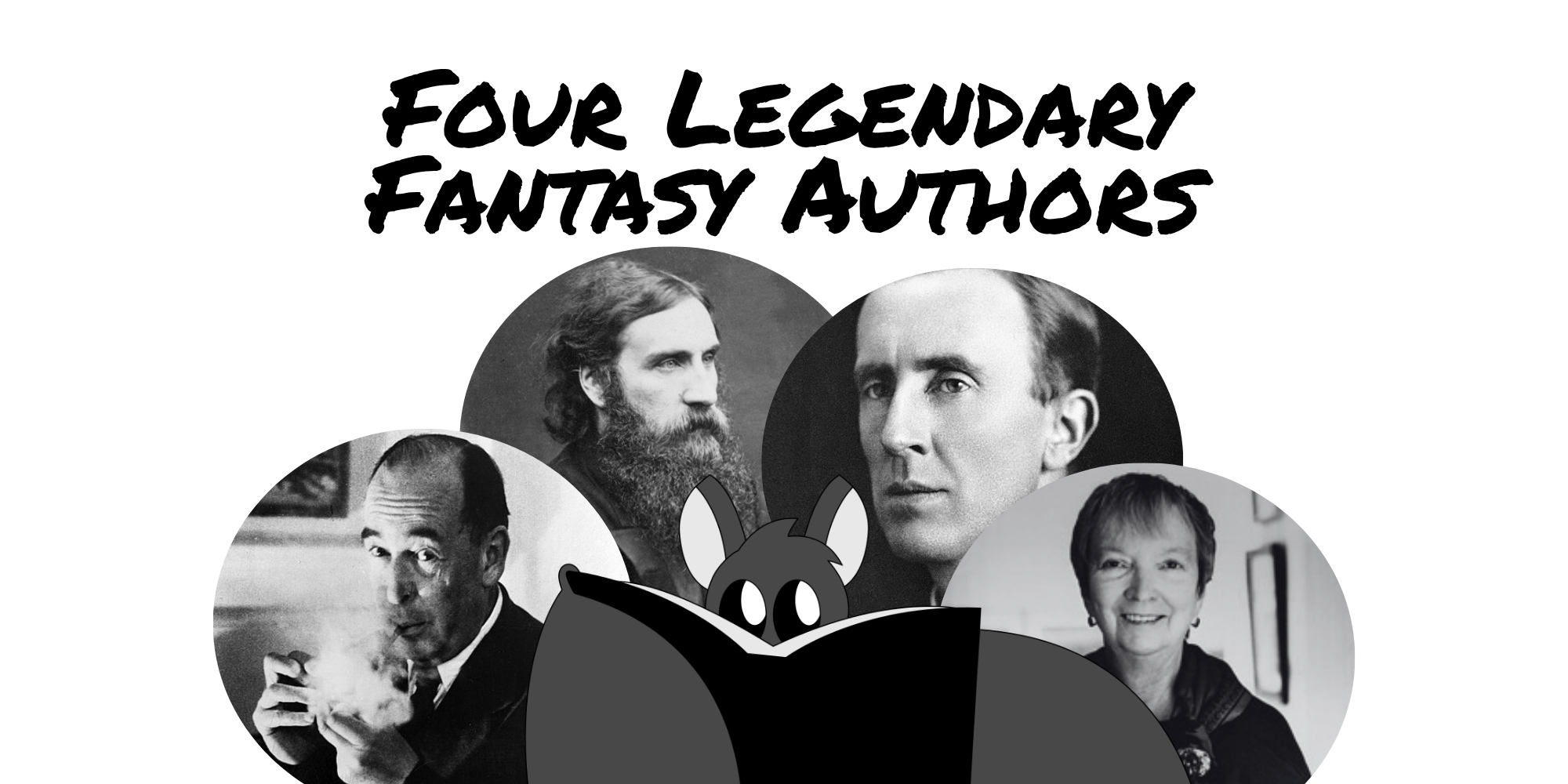
Four Legendary Fantasy Authors

June 04, 2026 by Karlissa Koop in Classic Novels & Authors

By Karlissa J.


For my latest book, To Narnia and Beyond, I’ve been getting to know four incredible Christian authors who wrote fantasy. How many of these authors are you familiar with? How many of their books have you read? And what’s the most interesting thing you’ve learned about them? Let me know in the comments!

Most famous for writing The Lion, the Witch, and the Wardrobe, as well as the nonfiction work Mere Christianity.

Superfans admire him for his final novel, Till We Have Faces, as well as his Cosmic Trilogy (also called the Ransom Trilogy or Space Trilogy).

One of the most interesting things I learned about him…

He loved science fiction – a genre that seems just right for the way his mind worked. He naturally mulled over experimental concepts, some of them a little odd. Like playing with the idea of a universe where there are exactly seven genders…
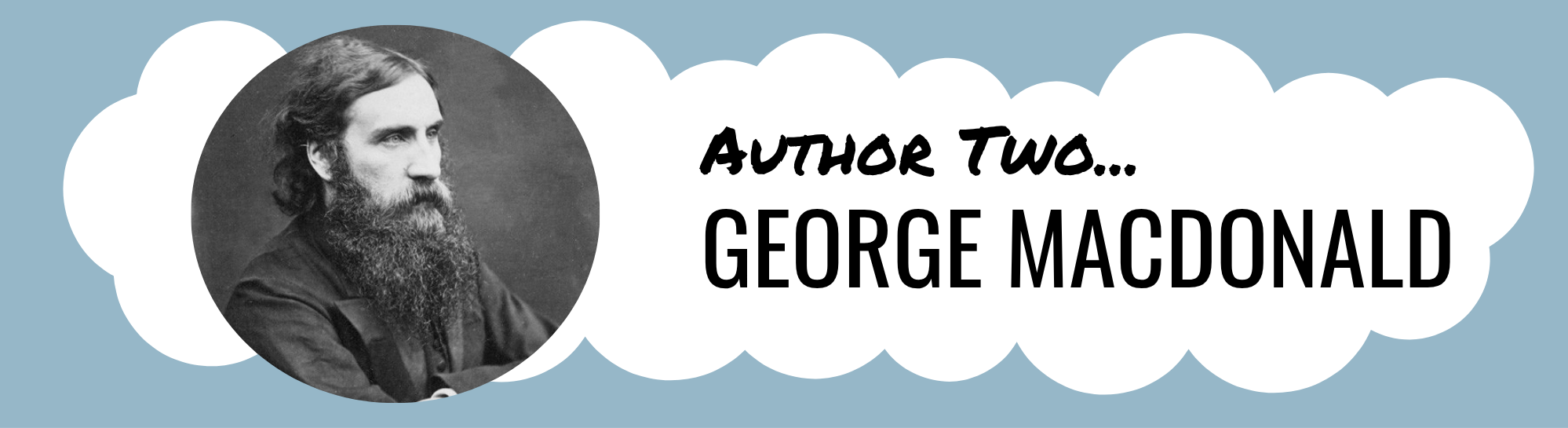
Most famous for writing The Princess and the Goblin.

Superfans admire him for Phantastes, a novel that C.S. Lewis considered life changing. They may also know his sermons, his fiction novels, his fairytales… MacDonald wrote a lot.

One of the most interesting things I learned about him…

MacDonald was a thoughtful and welcoming man with a big family. In addition to influencing the people who read his writings after he died (such as C.S. Lewis), he entertained multiple now-famous people at his house. A certain man named Charles Dodgeson read to MacDonald’s children an imaginative novel he was working on, and the family encouraged him to get it published. You may know Charles Dodgeson by his pen name, Lewis Carroll; and the book he read to MacDonald’s kids was Alice’s Adventures in Wonderland.
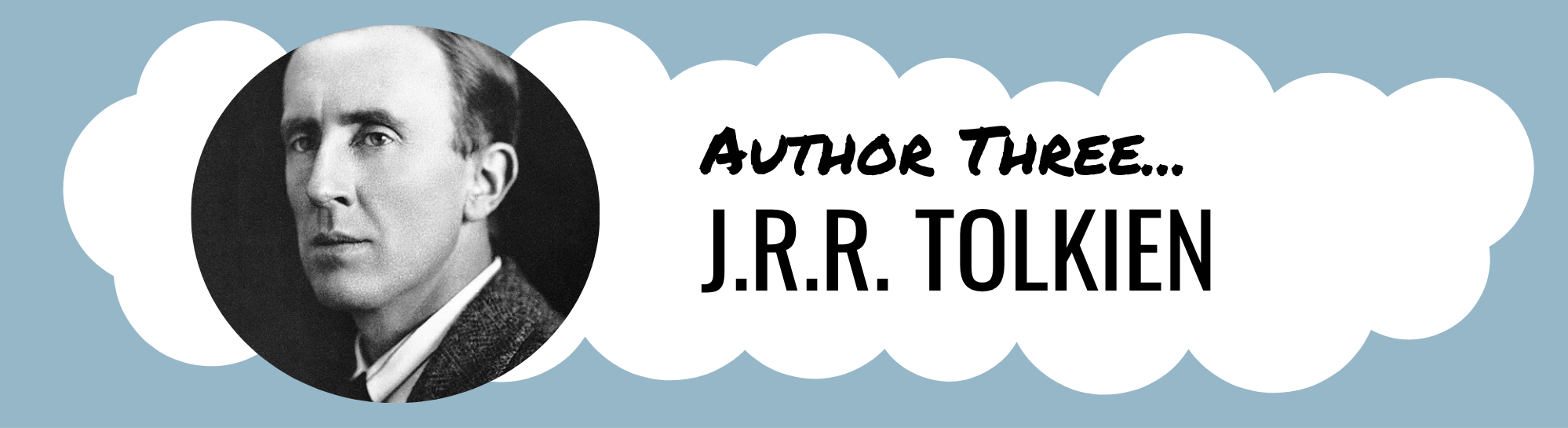
Most famous for writing The Lord of the Rings.

Superfans admire him for The Silmarillion – which was published after his death – and for his thoughtful essay “On Fairy Stories.”

One of the most interesting things I learned about him…

J.R.R. Tolkien studied linguistics. He put his knowledge of languages to use in various ways: helping write a dictionary, translating the Biblical book of Jonah… and, of course, inventing two Elvish languages for his novels.
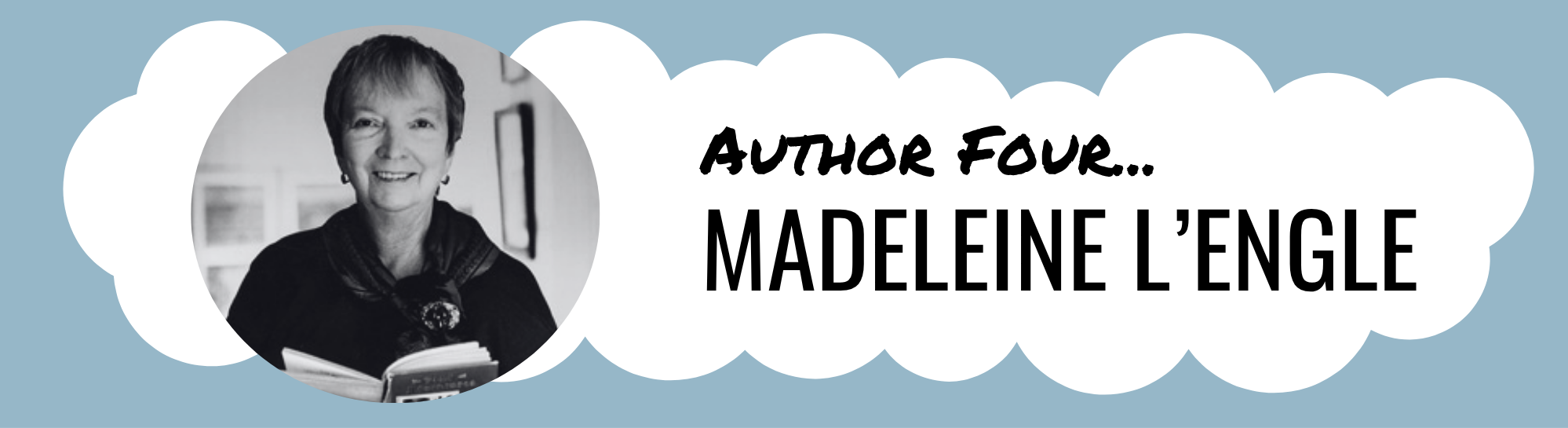
Most famous for writing A Wrinkle in Time.

Superfans admire her for her nonfiction book on art, Walking on Water, as well as the various novels that followed the protagonists of A Wrinkle in Time (for example, the Time Quartet, of which Wrinkle is the first book).

One of the most interesting things I learned about her…

Did you know it is possible to write a tale with an endearing, magical, eye-covered seraphim? Or that mammoths, shape-shifting angels, and teleporting unicorns could belong together in a retelling of Noah’s Ark? Madeleine L’Engle’s creativity is inspiring.
Subscribe to the Book-Bat newsletter!

* indicates required
/* real people should not fill this in and expect good things - do not remove this or risk form bot signups */

Intuit Mailchimp

June 04, 2026 /Karlissa Koop
fantasy history, classics, classic authors, CS Lewis, JRR Tolkien, To Narnia and Beyond, history, behind the scenes, Madeleine L'Engle, George MacDonald
Classic Novels & Authors
Comment

Four Approaches to Writing Christian Fantasy

June 02, 2025 by Karlissa Koop in Thoughts on Fantasy, Author Insights

By Karlissa J

“If a writer’s aim be logical conviction, he must spare no logical pains… where his object is to move by suggestion, to cause to imagine… If there be music in my reader, I would gladly wake it.” George MacDonald, “The Fantastic Imagination”


Many people debate over whether The Lord of the Rings should be called a “Christian” book series. Tolkien himself once said his books were religious, but different people have different standards for applying the label “Christian” to a work of art; and The Lord of the Rings is subtle in its use of spiritual themes.

For some readers, the subtlety leaves them more open to learning from the books, and the lessons go deeper. Other readers, however, walk away unsure whether they learned anything, and completely unaware of Tolkien’s Christian faith.

Contrast that with the style of George MacDonald. MacDonald was a preacher, and when he told stories he didn’t stop preaching. His fantasy books and fairytales were also deeply symbolic, so in addition to surface-level teachings there are layers to discover upon rereading.

For some (like Lewis) this makes MacDonald’s fantasies rich, exciting, and memorable. Tolkien, however, came to resent them as being too preachy; and some modern readers will find MacDonald’s florid narrative style and layered symbolism hard to make sense of.

L'Engle’s Time Quartet books are an odd mix of openly Christian and bizarrely unconventional. Some readers are deeply moved and drawn to Jesus by these stories, while other readers come away critiquing her beliefs as unorthodox.

And then there’s Lewis. His Cosmic Trilogy alone is all over the place, from only subtly Christian (Out of the Silent Planet) to deeply theological (Perelandra) to focused on critiquing a particular philosophy (That Hideous Strength). His preachiness varies accordingly.

Which is better: to openly declare a Christian message? To subtly explore a Christian worldview in a tale of good versus evil? To fill a story with much teaching and instruction?

I believe all have their place, because there are a myriad of readers in different stages of their walk with God, coming from a variety of backgrounds, ages, reading skills, and learning styles.

In response to a question about how to include Christian messages in a fantasy book, current fantasy author Wayne Thomas Batson had this to say:

“Your allegory will always be too obvious for some and not enough for others. The big thing is, always respect the story itself. If the message within the allegory is precious and valuable, but the story built around it is superficial, it will fail. Tell a fantastic and meaningful story; respect the genre and the reader, and any allegory within will be that much more powerful.” {See Note}

Each of these four classic authors – George MacDonald, J.R.R. Tolkien, C.S. Lewis, and Madeleine L’Engle – had a different way of telling a fantasy story. I encourage you to try reading a book from all of them! Find out which author or authors you enjoy most and learn from best.


NOTE: quote from GoodReads author page for Wayne Thomas Batson: https://www.goodreads.com/author/33508.Wayne_Thomas_Batson/questions (accessed August 27, 2024)

June 02, 2025 /Karlissa Koop
Christian fantasy, classics, classic authors, CS Lewis, JRR Tolkien, George MacDonald, Madeleine L'Engle, writing, tips
Thoughts on Fantasy, Author Insights
Comment

30 Episodes Later!

June 03, 2024 by Karlissa Koop in Thoughts on Fantasy

The Book-Bat podcast has reached 30 episodes, with the latest being a bonus episode announcing the release of Davy Jones’ Aquarium!

Jason and Karlissa have been discussing Christian fantasy books and the wider fantasy landscape, from maturity in fantasy, to why they love fantasy, and their favourite fantasy characters.

Karlissa taught Jason ten fun facts about classic authors CS Lewis, JRR Tolkien, and George MacDonald.

And Jason brought to the table some of his musings and questions. What are the pros and cons of the Christian fantasy market? Which is better: aspirational characters or relatable characters? Have we lost the magic of friendship stories?

Also: “Words matter, people!” What are Mary Sue characters, and where did that term come from?

Many conversations have been planned for the future, so be sure to subscribe to the Book-Bat podcast on Apple Podcasts (iTunes) or Spotify to follow along!

Do you have any topics, books, authors, or shows you’d like to hear discussed? Write a comment on this blog post, or on one of our podcast episodes, or email us at connect@book-bat.com! We’d love to hear from you!

June 03, 2024 /Karlissa Koop
podcast, fantasy genre, Christian fantasy, character development, books, fiction, classics, CS Lewis, George MacDonald, JRR Tolkien, Davy Jones' Aquarium
Thoughts on Fantasy
Comment

Powered by Squarespace